
No products in the cart.
-25%
-17%
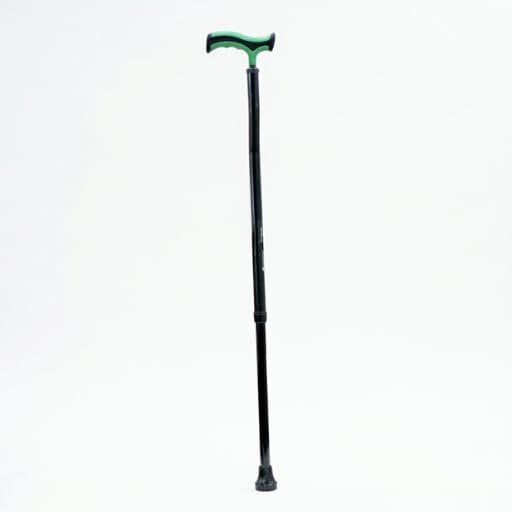
Adjustable Walking Stick with Ergonomic Handle – Black & Green
Original price was: ₹660.00.₹550.00Current price is: ₹550.00.Buy Mobility Aids Online in India
Shop mobility aids online in India at Medomet. Explore walking sticks, quad canes, walking frames, rollators, crutches, wheelchairs and related accessories for everyday mobility support.
Our range is suitable for older adults, people recovering from an injury or medical procedure, individuals with limited mobility and users who need additional support while standing or walking. Medomet also serves hospitals, rehabilitation centres, nursing homes, home healthcare providers and institutional buyers.
Depending on availability, you can compare standard walking sticks, folding canes, height-adjustable models, 4-leg walking sticks, walking frames, wheeled walkers, rollators and crutches.
Before placing an order, check the product height, adjustment range, weight capacity, handle design, base configuration, material, dimensions and intended environment. A doctor, physiotherapist or rehabilitation professional can help determine the most appropriate mobility aid for an individual user.
Explore Mobility Aids for Everyday Support
Mobility aids are designed to provide additional support during standing, walking and movement between locations. They may help users move with greater confidence when selected, adjusted and used correctly.
Common types of mobility aids include:
- Standard walking sticks
- Folding walking sticks
- Height-adjustable walking sticks
- Four-leg or quad walking sticks
- Walking frames
- Wheeled walkers
The appropriate product depends on the user’s balance, upper-body strength, walking pattern, height, weight and level of assistance required.
A single-point walking stick may provide light support, while a four-leg walking stick offers a wider base. Users who require greater support may need a walking frame, rollator or wheelchair.
Shop Mobility Aids by Type
Walking Sticks
A walking stick is a handheld aid that provides an additional point of contact with the ground. It is also commonly referred to as a walking cane or hand stick for walking.
Walking sticks may be suitable for users who need light balance support or additional confidence while moving indoors or outdoors.
Available designs may include:
- Standard walking sticks
- Wooden walking sticks
- Aluminium walking sticks
- Etc.
Before buying a walking stick, review:
- Adjustable height range
- Maximum user weight
- Shaft material
- Handle shape
- Grip material
- Rubber ferrule
- Locking mechanism
The grip should feel secure and comfortable. Users with reduced hand strength, arthritis or wrist discomfort may benefit from a wider or anatomically shaped handle.
Walking Sticks for Elders
A walking stick for elders can provide additional support during routine movement, but age alone should not determine which product is suitable.
Consider the user’s:
- Height and body weight
- Balance and walking ability
- Hand and arm strength
A lightweight walking stick may be easier to carry, while a wider base may offer more standing support. The product should still be easy for the user to place, lift and move without creating additional strain.
The handle is commonly positioned close to wrist level when the user stands upright with the arm relaxed. Follow the product’s adjustment instructions and seek professional fitting whenever possible.
Four-Leg Walking Sticks
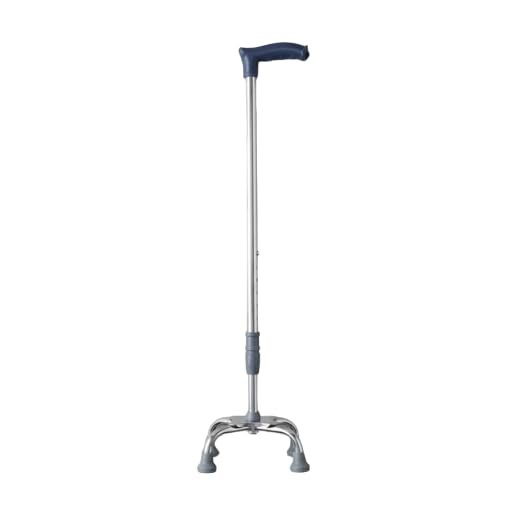
A 4-leg walking stick, also known as a quad cane, has four floor-contact points instead of a single rubber tip. A walking stick with four legs generally provides a wider support base than a standard cane.
Quad canes may be available with compact or wide bases. Some models can remain upright when released, making them easier to keep close to the user.
Before ordering, check:
- Small-base or wide-base design
- Adjustable height range
- Maximum user weight
- Overall product weight
- Handle design
- Etc.
All four feet should rest correctly on the floor. Stop using the product if the base becomes bent, uneven or unstable.
A quad cane may provide a broader support area, but it is not automatically the best option for every user. The correct choice depends on balance, walking technique, available space and professional assessment.
Folding and Height-Adjustable Walking Sticks
A folding walking stick can be collapsed into sections for travel or compact storage. It may suit users who need occasional support or want a cane that can be kept in a bag or vehicle when not in use.
A height-adjustable model allows the handle position to be changed within the manufacturer’s stated range.
Before purchasing, review:
- Adjustment holes
- Locking clips
- Folding joints
- Internal elastic cord
- Folded dimensions
- Product weight
- Storage pouch
- Maximum supported weight
Make sure every section is fully connected and every locking point is secure before use. Do not use a folding stick if any section is loose, bent or damaged.
Walking Frames
A walking frame provides a larger support structure than a walking stick. It may be suitable for people who need support from both hands or require a broader base while moving.
Options may include:
- Fixed walking frames
- Folding walking frames
- Frames with front wheels
- Reciprocal walking frames
- Adult and paediatric models
All legs should be adjusted to the same height so that the frame remains level. The user should receive appropriate guidance before using a new walking frame.
Rollators and Wheeled Walkers
A rollator is a wheeled walking aid that may include hand brakes, a seat, back support, a basket or a storage bag.
Rollators can be useful for users who need walking support and may also require a place to rest. The user must be able to understand and operate the brakes correctly.
Apply the brakes fully before sitting on a rollator seat. Use the seat only on a level, stable surface and according to the manufacturer’s instructions.
Crutches
Crutches support users who need to reduce or control the amount of weight placed on one or both legs.
Available options may include:
- Elbow crutches
- Underarm crutches
- Forearm crutches
- Adult crutches
- Paediatric crutches
- Height-adjustable models
Before buying, verify:
- Recommended user height
- Adjustment range
- Cuff or underarm support design
- Handgrip position
- Maximum user weight
- Shaft material
- Rubber ferrules
- Pair or single-unit packaging
Crutches should be adjusted professionally whenever possible. Users should follow the weight-bearing and walking instructions provided by their healthcare or rehabilitation team.
Wheelchairs and Patient Mobility Products
Depending on availability, Medomet may also offer manual wheelchairs and related mobility accessories.
Accessories are not universally compatible. Check the product diameter, dimensions, model and attachment method before ordering.
How to Choose the Right Mobility Aid
Assess the Required Support
Determine whether the user needs light balance support, support through one hand, support through both hands or assistance for longer-distance movement.
A physiotherapist or rehabilitation professional can assess the user’s walking pattern and recommend an appropriate option.
Check the Height and Fit
The mobility aid should match the user’s height and allow a comfortable, upright posture.
An incorrectly adjusted walking stick, frame or crutch may create discomfort in the wrist, shoulder or back. Follow the manufacturer’s instructions for height adjustment.
Confirm the Weight Capacity
Check the maximum user weight listed for the exact product. Do not use a mobility aid beyond its documented capacity.
Claims such as heavy-duty, bariatric or extra support should appear only when confirmed by the manufacturer.
Consider the Usage Environment
Review whether the product will be used on:
- Indoor surfaces
- Outdoor paths
- Uneven ground
- Stairs or ramps
- Smooth flooring
Measure the available space before buying a walking frame, rollator or wheelchair.
Mobility Aid Safety and Maintenance
Inspect the mobility aid regularly for signs of damage or wear.
Replace worn rubber tips promptly. Stop using the product if it becomes loose, bent, cracked or unstable.
Keep walking routes clear of loose rugs, electrical cables, wet floors and other obstacles. Supportive, well-fitting footwear may also help users move more safely.
A mobility aid cannot remove every risk of slipping or falling. Some users may still need supervision, environmental changes or professional mobility training.
Why Buy Mobility Aids from Medomet?
Medomet makes it easier for individuals, caregivers and healthcare buyers to compare mobility products online.
Depending on current availability, customers can:
- Compare walking sticks and quad canes
- Explore folding and adjustable designs
- Review walkers, rollators and crutches
- Check height ranges and weight capacities
- Compare dimensions and materials
- Review product features
- Check current prices
- View stock and delivery availability
- Place online orders
- Enquire about bulk requirements
Hospitals, nursing homes, rehabilitation centres, medical stores and institutional buyers can contact Medomet with their preferred product type, specifications, quantities and delivery location.
Shop Mobility Aids Online in India
Explore walking sticks for elders, four-leg walking sticks, folding canes, height-adjustable sticks, walking frames, rollators, crutches, wheelchairs and mobility accessories at Medomet.
Compare the available options and choose a mobility aid that matches the user’s abilities, environment and professional care recommendations.
Frequently Asked Questions
1. What are mobility aids?
Mobility aids are products designed to provide additional support while standing, walking or moving. Examples include walking sticks, quad canes, frames, rollators, crutches and wheelchairs.
2. How do I choose a walking stick for an elderly person?
Consider the user’s height, body weight, balance, hand strength, preferred hand and usage environment. Professional fitting is recommended.
3. What is a 4-leg walking stick?
A 4-leg walking stick is a quad cane with four contact points at its base. It provides a wider support area than a standard single-point walking stick.
4. Is a four-leg walking stick better than a standard walking stick?
Not for every user. A quad cane offers a wider base, while a standard stick is usually lighter and easier to move. Selection depends on the individual’s needs.
5. How should a walking stick be adjusted?
The handle is commonly positioned near wrist height when the user stands upright with the arm relaxed. Follow the manufacturer’s instructions and obtain professional guidance where possible.
6. When should a walking-stick ferrule be replaced?
Replace the rubber ferrule if it becomes worn, cracked, loose or uneven. Do not continue using a walking stick that slips or feels unstable.
7. Can hospitals and rehabilitation centres place bulk orders?
Bulk orders may be available for hospitals, nursing homes, rehabilitation centres, home-care providers, distributors and institutional buyers, subject to stock and delivery availability.