
No products in the cart.
-53%
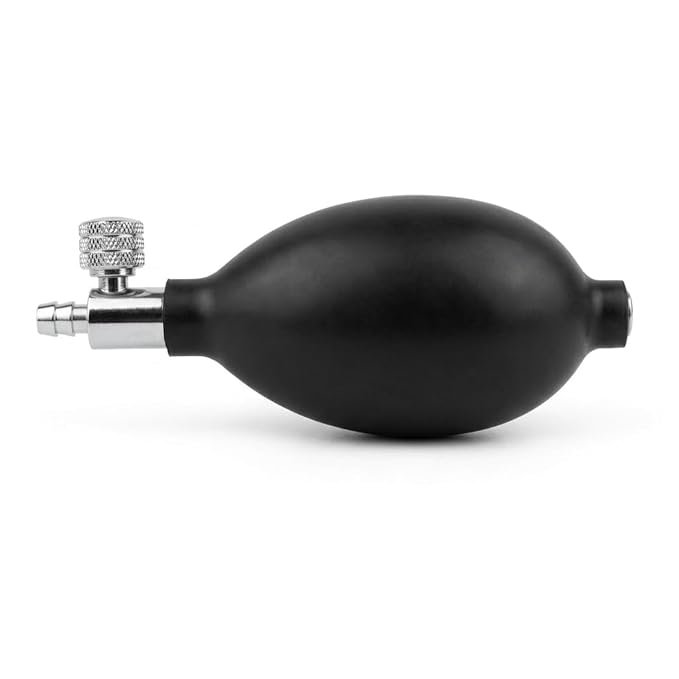
BP Monitor Rubber Inflation Bulb with Metal Valve – Replacement Blood Pressure Pump, Black (Pack of 2)
Original price was: ₹630.00.₹299.00Current price is: ₹299.00.Buy Medical Monitoring Devices Online in India
Shop medical monitoring devices online in India at Medomet. Explore devices designed to measure, display or track selected health parameters in homes, hospitals, clinics, laboratories and other professionally managed healthcare settings.
Depending on current availability, our range may include BP monitoring devices, blood sugar monitoring devices, pulse oximeters, multiparameter patient monitors, vital-sign monitors and blood gas monitoring devices.
Each medical monitor device has a specific intended use. Product features, measurement ranges, accessories, patient categories, alarm functions and operating requirements can vary between models.
Before ordering, check the exact product specifications, intended user, clinical setting, included accessories, power requirements, warranty and manufacturer instructions. Monitoring results should be interpreted according to appropriate medical guidance and should not be used as the sole basis for diagnosis or treatment changes.
What Are Medical Monitoring Devices?
Medical monitoring devices are products used to measure or track selected physiological parameters.
Depending on the device, these parameters may include:
- Blood pressure
- Blood glucose
- Oxygen saturation
- Pulse rate
- Heart rate
- Etc.
Some monitor devices are intended for personal or home use, while others are designed only for trained healthcare professionals in hospitals, clinics or laboratories.
A home monitoring device does not automatically provide the same functions, validation or performance as a professional clinical system. Always check the intended use stated by the manufacturer.
Shop Monitor Devices by Type
BP Monitoring Devices
A BP monitoring device measures blood pressure using a cuff and a compatible manual, semi-automated or automated system.
Available products may include:
- Automatic upper-arm BP monitors
- Digital wrist BP monitors
- Manual sphygmomanometers
- Ambulatory blood pressure monitors
Before buying a blood pressure monitor, review:
- Cuff size and supported arm circumference
- Intended home or professional use
- Measurement memory
- Multiple-user support
- Irregular-pulse indication, where available
- Power and battery requirements
WHO guidance emphasises the importance of properly evaluated and validated blood pressure measuring devices. Product accuracy and validation claims should therefore be published only when supported by documentation for the exact model.
The correct cuff size is important. A cuff that does not fit the user appropriately may affect the measurement.
Blood Sugar Monitoring Devices
A blood sugar monitoring device, also called a blood glucose meter or glucometer, measures glucose in a small blood sample using compatible test strips.
A complete monitoring system may include:
- Blood glucose meter
- Compatible test strips
- Lancing device
- Data cable or mobile connectivity, where available
Before ordering, check:
- Required blood-sample size
- Testing time
- Measurement range and units
- Test-strip compatibility
The meter and test strips must be compatible. Test strips should be stored and used according to the manufacturer’s instructions and should not be used after their stated expiry date.
Blood glucose monitoring systems intended for personal use should not be shared between users. The FDA notes that safe performance depends on the meter, compatible strips, correct testing technique and appropriate maintenance.
Medicine, diet or insulin changes should be made only according to the user’s healthcare plan and qualified medical guidance.
Pulse Oximeters
A pulse oximeter is commonly placed on a fingertip to estimate blood oxygen saturation and pulse rate.
Available options may include:
- Fingertip pulse oximeters
- Handheld pulse oximeters
- Tabletop monitoring systems
- Adult, paediatric or neonatal sensors
- Devices with display or alarm functions
Before buying, review:
- Intended medical or wellness use
- Supported patient group
- Pulse-rate information
- Alarm settings, where available
- Sensor compatibility
- Battery requirements
Pulse oximeters have limitations, and readings can be affected by factors such as circulation, skin pigmentation, skin temperature, movement and fingernail products. A reading should be considered alongside symptoms and professional assessment rather than used alone.
Multiparameter Patient Monitors
A multiparameter patient monitor is designed to display or record more than one physiological parameter.
Depending on the model and connected accessories, functions may include:
- ECG or heart-rate monitoring
- Non-invasive blood pressure
- Oxygen saturation
- Pulse rate
- Carbon dioxide monitoring
- Invasive pressure monitoring
These systems are generally intended for hospitals, operation theatres, intensive care units, emergency departments, recovery areas or supervised patient transport.
Before ordering, confirm:
- Supported parameters
- Adult, paediatric or neonatal use
- Included modules and accessories
- Screen size
Do not assume that every patient monitor includes all listed functions. Some parameters may require optional modules, cables, sensors or software.
Vital-Sign Monitors
Vital-sign monitors are commonly used for spot checks or repeated measurements of selected parameters.
A model may combine:
- Blood pressure
- Pulse rate
- Oxygen saturation
- Temperature
Check whether the device is intended for spot checking or continuous monitoring. Also verify the supported patient categories, sensor types, cuff options, alarm features and data-management capabilities.
Blood Gas Monitoring Devices
A blood gas monitoring device or blood gas analyser is used to test specified parameters in a blood sample. Depending on the model, these may include pH, oxygen partial pressure, carbon dioxide partial pressure, electrolytes or other analytes.
These devices are generally intended for trained professionals in laboratories, critical care departments, emergency units or approved point-of-care settings.
Before purchasing, review:
- Parameters measured
- Sample type and required volume
- Testing time
- Cartridge or reagent requirements
- Calibration process
- Quality-control requirements
A blood gas analyser is not the same as a fingertip pulse oximeter. Pulse oximeters estimate oxygen saturation non-invasively, while blood gas systems analyse an appropriate blood sample.
Blood gas results should be produced and interpreted according to the device instructions, laboratory procedures and qualified clinical assessment.
How to Choose a Medical Monitor Device
Identify the Required Measurement
Start by confirming which parameter must be monitored. A blood pressure monitor, glucose meter, pulse oximeter and blood gas analyser perform different functions and are not interchangeable.
Confirm the Intended Setting
Check whether the product is designed for:
- Home use
- Professional clinics
- Hospitals
- Laboratories
- Emergency care
- Patient transport
Do not use a home or general-wellness product for professional clinical decision-making unless the manufacturer has documented that intended use.
Check the Patient Category
Confirm whether the device and accessories are suitable for adults, children, infants or neonatal patients.
Cuffs, probes, sensors and measurement ranges may differ according to patient size and age.
Review Accuracy and Validation Information
Look for performance, validation and regulatory information for the exact product model.
Do not rely only on promotional terms such as:
- Highly accurate
- Hospital grade
- Clinically proven
- Professional quality
- Best monitoring device
- Guaranteed results
These claims should appear only when supported by relevant manufacturer or independent documentation.
Check Consumables and Accessories
Some medical monitoring devices require recurring supplies such as:
- Test strips
- Lancets
- Sensors
- Cuffs
- Electrodes
- Etc.
Check product compatibility, availability, expiry dates and storage requirements before purchasing.
Review Display, Memory and Connectivity
Depending on the user and setting, useful features may include:
- Large display
- Measurement memory
- Multiple-user profiles
- Mobile application support
- Hospital-network connectivity
Confirm whether software, subscriptions or additional accessories are required.
Safe Use and Maintenance
Always read the manufacturer’s instructions before using a monitoring device.
Users should:
- Check the product and accessories for damage
- Use compatible cuffs, strips, sensors and cables
- Follow cleaning and disinfection instructions
- Replace expired consumables
- Store the device as directed
- Perform calibration or quality-control checks when required
- Keep batteries appropriately charged
- Arrange servicing according to the maintenance schedule
Do not modify the device, use damaged accessories or ignore error messages and alarms.
If a result appears unusual or does not match how the patient feels, repeat the measurement only as directed and seek appropriate professional guidance. Home-use tests can support healthcare but should not replace medical evaluation.
Why Buy Monitor Devices from Medomet?
Medomet helps individuals, healthcare professionals and institutional buyers compare medical monitoring devices through an organised online category.
Depending on availability, customers can:
- Compare BP monitoring devices
- Explore blood sugar monitoring devices
- Review pulse oximeters
- Compare vital-sign and patient monitors
- Explore blood gas monitoring devices
- Check included accessories
- Review technical specifications
- Enquire about institutional quantities
Product functions, accessories, validation, warranty and availability vary between models. Review the individual product page before ordering.
Shop Medical Monitoring Devices Online in India
Browse monitor devices for home health monitoring, hospitals, clinics, laboratories and other healthcare environments at Medomet.
Before placing an order, verify:
- Intended measurement
- Home or professional use
- Required consumables
- Calibration requirements
- Manufacturer documentation
- Warranty coverage
Choose a device that matches the intended application, user training and professional healthcare requirements.
Frequently Asked Questions
1. What are medical monitoring devices?
Medical monitoring devices measure or track parameters such as blood pressure, blood glucose, oxygen saturation, pulse rate, temperature, ECG activity or blood gases.
2. Which devices can be used for home monitoring?
Selected blood pressure monitors, blood glucose meters and pulse oximeters may be intended for home use. Confirm the exact product’s intended use before ordering.
3. What is a BP monitoring device?
A BP monitoring device uses a cuff and measurement system to determine blood pressure. Models may be automatic, semi-automatic, ambulatory or manual.
4. What is a blood sugar monitoring device?
It is a system that uses a compatible meter and test strip to measure glucose in a small blood sample.
5. Is a pulse oximeter a medical monitoring device?
A pulse oximeter estimates oxygen saturation and pulse rate. Some models are intended for medical use, while others may be marketed only for general wellness.
6. What is a multiparameter patient monitor?
It is a professional system that can display or record several physiological parameters using compatible modules, cables, cuffs and sensors.
7. What is a blood gas monitoring device?
A blood gas analyser tests selected gases, pH or other analytes in an appropriate blood sample. It is generally intended for trained healthcare or laboratory professionals.
8. Can hospitals place bulk orders?
Bulk orders may be available for hospitals, clinics, laboratories, distributors and institutional procurement teams, subject to product and delivery availability.